Context & History
Racism, Civil Rights, and Dystopian Theatre
The Contextual Trap
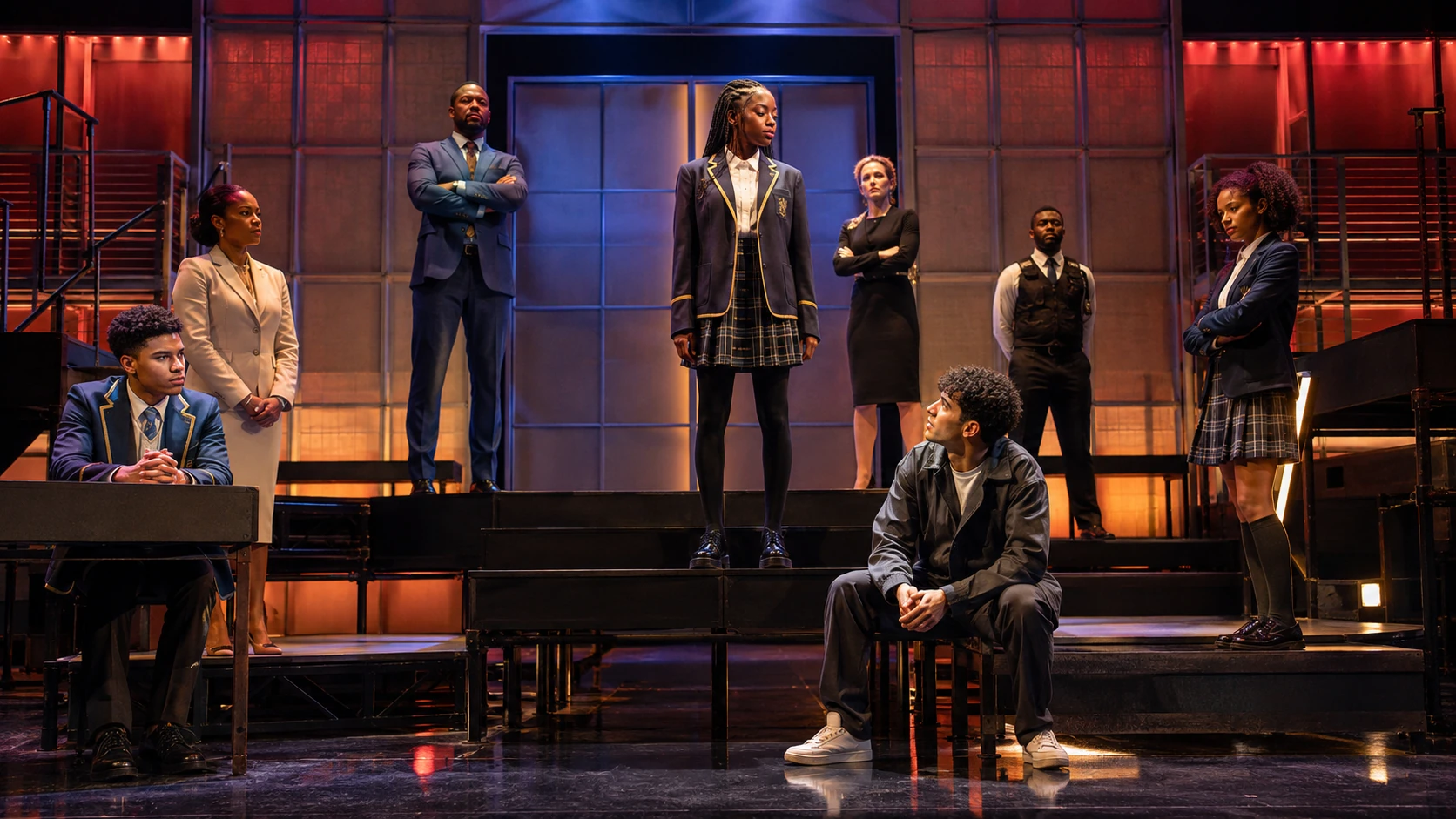
Malorie Blackman wrote the novel in 2001, but the Sabrina Mahfouz adaptation you study was produced in 2019. This invites students to connect the history of racial segregation and resistance with a contemporary performance interpretation. Modern technology is one option, not an automatic requirement.
Interactive: The Contextual Timeline
Click the eras below to see how history shaped Pilot Theatre's modern stage design.
1960s: The Civil Rights Movement
The world of Albion has many close parallels to the American Civil Rights movement and apartheid in South Africa. The brutal segregation, police violence, and the explosive protests at Heathcroft school mirror the real-world fight for racial equality.
The Theatrical Influences
Malorie Blackman
Author & Creator
Flipping the World Upside Down
Blackman created a world where dark-skinned "Crosses" hold all the power and wealth, while light-skinned "Noughts" are treated as second-class citizens. This "flipped" perspective forces audiences to recognize the absurdity and cruelty of racial prejudice.
The Catalyst
She stated she wrote the book because of the "burning anger I felt regarding the death of Stephen Lawrence and the subsequent mishandling of the police inquiry." The injustice faced by Callum's family directly reflects this real-world institutional racism.
Pilot Theatre
Sabrina Mahfouz Adaptation
Dystopian Realism
Pilot Theatre specializes in work for young adults. They ensured the characters felt like modern, relatable teenagers. The acting style for Callum and Sephy is highly naturalistic, contrasting sharply with the cold, brutal world around them.
The Surveillance State
The company is "always curious about our changing relationship with technology." They turned the play into a high-tech nightmare. The use of mobile phones, CCTV, and giant screens reminds the audience that technology is often used by those in power to control and oppress.