Personalise the site

Choose your exam board

This filters set texts and takes you to the right written-exam guidance. You can change it at any time.

← Back to Design Elements
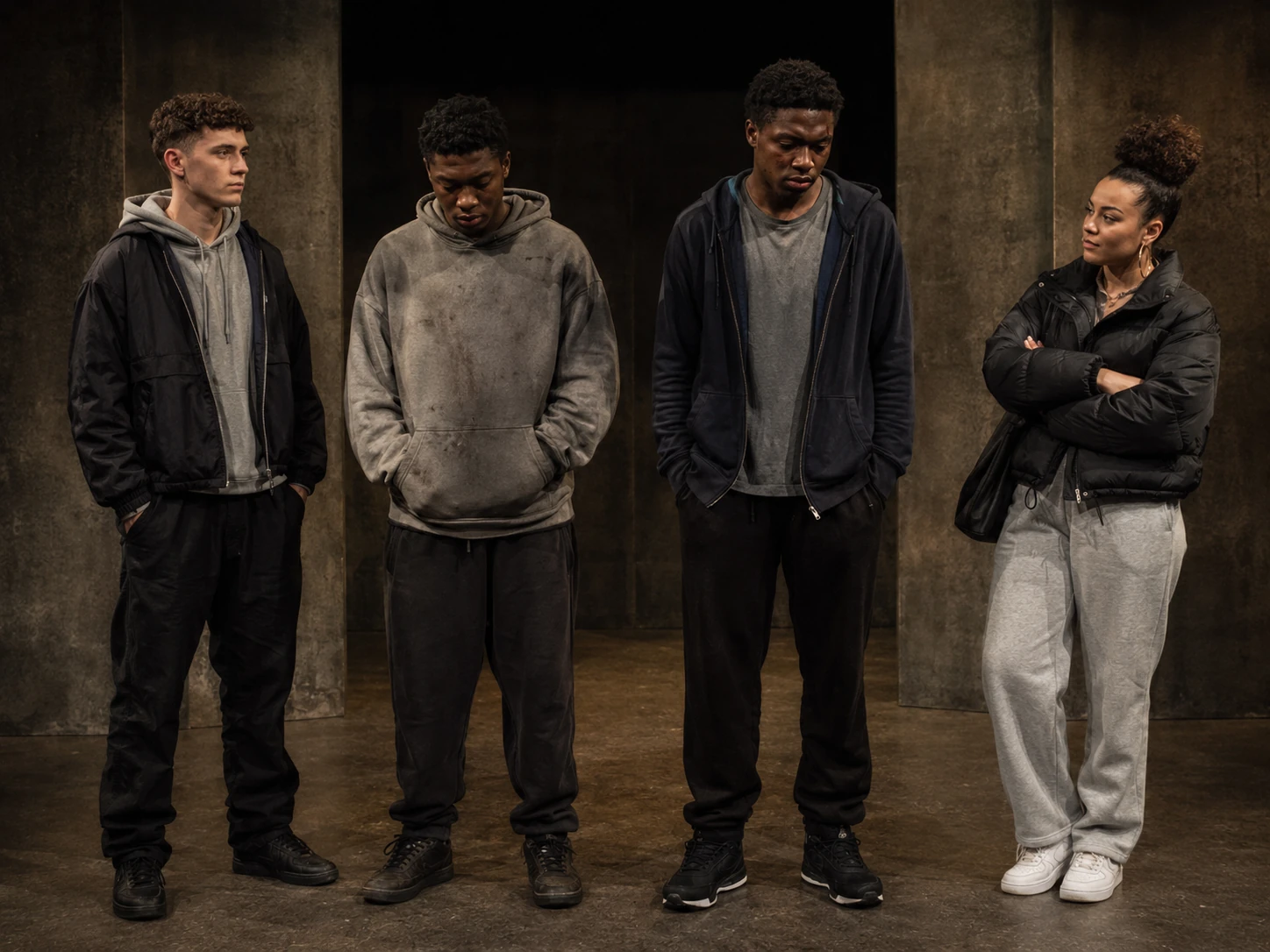
Young adult cast members for Face in contemporary streetwear and layered casual clothing, showing subtle differences in status, confidence and self-presentation.
Costume works through small differences: fit, layering, condition, grooming and how confidently a performer wears the clothes can communicate belonging and status. Martin’s later costume can become more protective or less image-conscious without turning injury into spectacle.

Costume prompt: which details make one character look more socially secure than another?

Before the attack

Martin’s clothing should communicate belonging and image-consciousness. Think about whether his look is neat, assertive or deliberately aligned with the peer group that gives him status.

After the attack

Costume can help show vulnerability, medical care and discomfort without relying on sensationalism. Bandaging, altered grooming or more protective clothing can all suggest a changed relationship with visibility.

Other characters

Use subtle contrasts: Natalie may feel more grounded or individual; Mark may embody performed toughness; adults may offer a different visual world from the peer group.

Answer tip

Do not say only “hoodie” or “casual clothes”. State colour, fit, condition and what each choice implies about status, belonging or change.

Privacy on school and shared computers

Using a shared device?

Shared-device mode stops Stark Drama leaving your recent-page list or project work behind after the browser session. It also resets optional analytics to off. Your exam-board choice may remain as a simple site preference.

Turning it on clears Stark Drama work already saved in this browser. Back up anything you need first.